When organizations start thinking about AI adoption, the conversation usually begins with productivity: what can we automate, how much time will we save, where are the quick wins? Those are fair questions. But they're the wrong place to start.
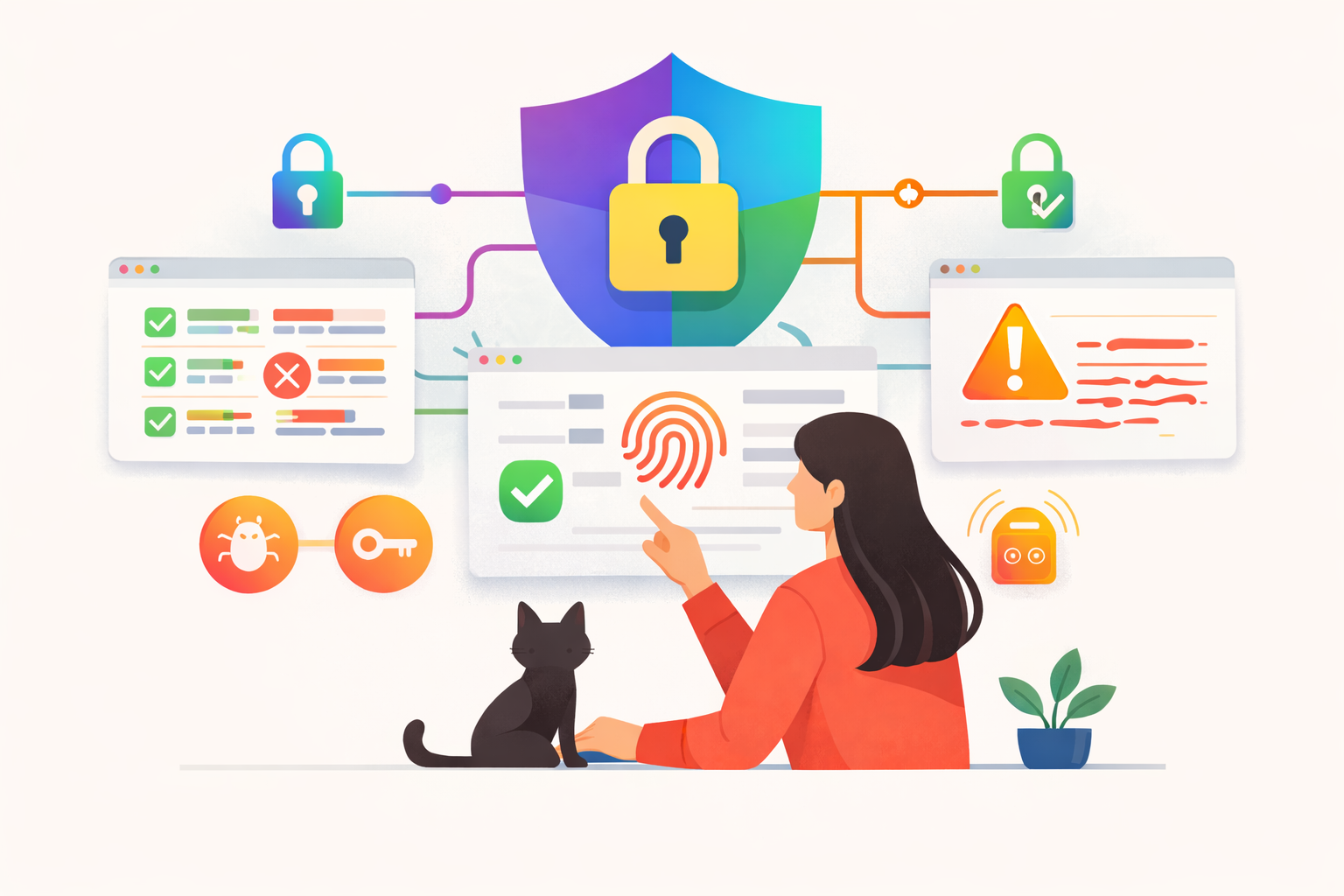
The right place to start is safety. Before any AI skills are introduced, before any tool is opened, the first conversation needs to be about what's safe to share, what isn't, and how to build secure habits from the ground up.
Security is the foundation
Every coaching engagement I run begins with data protection. Not as a checkbox, but as the actual foundation everything else is built on. We talk about what types of information should never enter an AI tool, how to evaluate a platform's privacy policies, and how to design workflows that protect sensitive data by default.
This matters especially for teams in government, non-profits, and healthcare, where the data you handle belongs to the people you serve. Getting security wrong isn't just a compliance issue. It's a breach of trust.
Trust is built before tools are ever introduced. That's not a constraint on AI adoption. It's what makes adoption sustainable.
AI augments, not replaces
One of the most common fears about AI is that it's coming for people's jobs. In my experience, the opposite is true when adoption is done well. AI handles the repetitive, time-consuming parts of your work so you can focus on the parts that require human judgement, empathy, and creativity.
The goal isn't to use AI more. It's to use it in the right places, so your team spends less time on manual tasks and more time on work that actually needs a human being. Drafting, summarizing, organizing, pattern-finding: these are tasks AI can accelerate. The decisions that follow still belong to people.
The goal is to free up time for the work only humans can do, keeping people and their judgement firmly in the loop.
Change management, not just technology
The hardest part of AI adoption is never the technology. It's the people side. Getting buy-in from leadership, managing uncertainty among staff, building habits that stick beyond the first week. These are change management challenges, and they require change management experience.
I bring over 22 years of HR and operations experience to every coaching engagement. That means I understand the organizational dynamics that make or break a new initiative. It's not enough to teach someone a tool. You have to meet them where they are, address their concerns honestly, and build a path they can see themselves walking.
Technology shifts are people challenges first. The organizations that get adoption right are the ones that treat it that way.
Results that last
Quick wins matter. Most coaching clients are building usable workflows by the end of their second session. But the real value is in what happens after coaching ends: a team that knows how to evaluate new tools on their own, build workflows safely, and keep improving without outside help.
That's what "built to last" means. Not a dependency on a coach, but a foundation your team keeps building on. The skills are transferable, the habits are sustainable, and the security principles carry forward into every new tool that comes along.
If you want to explore what a security-first approach to AI adoption looks like for your organization, start with a conversation.